
Certain facial features carry a kind of quiet distinction, and the aquiline nose is one of the most recognizable examples. Often described as having a graceful curve, this nose shape has appeared throughout history in portraits, sculptures, and descriptions of historical figures, and it continues to be a topic of interest today, whether people are curious about genetics, beauty standards, or simply where the term comes from.
This article explores what an aquiline nose actually is, where the term originates, what causes this shape to develop, and why it holds such a lasting place in discussions about facial features across different cultures and time periods.
What Is an Aquiline Nose
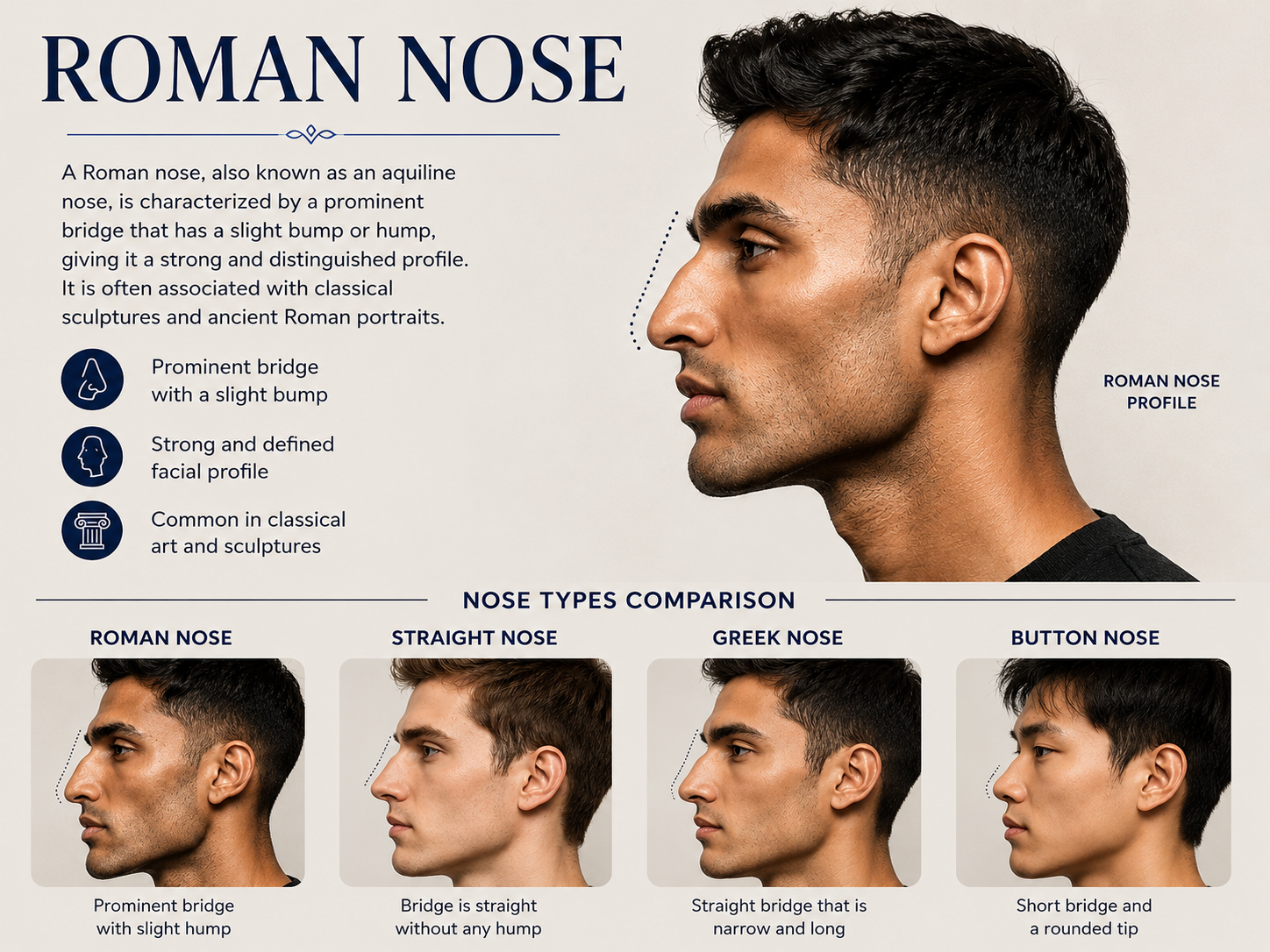
An aquiline nose is a nose shape characterized by a noticeable curve along the bridge, giving it a slightly hooked or beak-like appearance when viewed from the side. The curve typically appears somewhere along the upper portion of the nose, creating a profile that rises and then dips downward before reaching the tip.
This shape stands in contrast to straighter nose profiles, where the bridge runs in a relatively even line from the forehead to the tip. The defining feature of an aquiline nose is that gentle yet distinct arch, which gives the entire face a sharper, more angular impression when seen from a side profile.
Where the Term Aquiline Comes From
The word aquiline comes from the Latin word aquilinus, which relates to eagles. This connection makes sense once you picture the curved beak of an eagle, since the resemblance between that beak shape and the human nose profile is exactly what inspired the terminology in the first place.
Historically, this eagle-like association gave the aquiline nose a certain symbolic weight. Eagles have long been associated with strength, sharpness, and nobility across many cultures, and that symbolism carried over into how people described and perceived individuals with this particular nose shape. Even today, the term retains a slightly regal or striking connotation, rather than being purely a neutral anatomical description.
The Physical Structure Behind the Shape
To understand why some people develop an aquiline nose while others don’t, it helps to look briefly at the underlying anatomy. The human nose is made up of bone in the upper portion and cartilage in the lower portion. The specific shape of the bridge depends largely on how this bone and cartilage are structured and how they connect to one another.
An aquiline nose typically forms when there is a slight prominence or bump along the bony part of the bridge, usually located around the midpoint of the nose. This bump creates the visual curve that defines the aquiline nose, and its size and position can vary quite a bit from person to person, which is why aquiline noses come in many subtle variations rather than looking identical across every individual who has one.
Genetics and the Aquiline Nose
Like most facial features, the tendency to develop an aquiline nose is largely inherited. Nose shape is influenced by a combination of genes passed down from both parents, which means this feature often runs in families and can be traced across generations within the same lineage.
Certain populations and ethnic groups have historically shown a higher prevalence of the aquiline nose shape, though it’s important to note that this feature can appear across virtually any population and isn’t exclusive to any single group. Genetic diversity within any given population means that nose shapes, including the aquiline nose, will naturally vary widely even among closely related individuals.
Historical Figures Known for Their Aquiline Nose
Throughout history, many notable figures have been described or depicted with an aquiline nose, and this feature often became closely tied to how they were remembered visually. Ancient sculptures and coins frequently emphasized this nose shape when portraying rulers, military leaders, and other prominent individuals, partly because the sharp profile lent itself well to the kind of authoritative, commanding image these portraits were meant to convey.
This pattern wasn’t limited to any one civilization. Depictions of leaders across various ancient societies often highlighted a strong, curved nose profile as part of projecting strength and dignity. Because of this recurring pattern in historical art and iconography, the aquiline nose became closely associated with leadership and nobility in the public imagination, an association that has persisted in various forms into modern times.
The Aquiline Nose in Art and Sculpture
Artists throughout history have paid particular attention to nose shape when creating portraits and sculptures, and the aquiline nose frequently appears in classical artwork specifically because of its striking visual profile. The pronounced curve creates strong shadow lines and a clear silhouette, which made it a favored feature among sculptors working in stone or bronze, where capturing a recognizable and distinctive profile mattered a great deal.
This artistic emphasis has contributed to the lasting cultural association between the aquiline nose and classical beauty standards, particularly in Western art traditions influenced by ancient Greek and Roman aesthetics. Even outside of formal art, the aquiline nose continues to appear as a defining trait in fictional characters, particularly in stories where a commanding or memorable appearance matters to the character’s role.
Cultural Perceptions of the Aquiline Nose
Perceptions of the aquiline nose have shifted over time and vary significantly depending on cultural context. In some traditions, this nose shape has long been considered a mark of beauty, strength, or aristocratic heritage. In others, attitudes toward the same feature have been more mixed, sometimes tied up with broader and more complicated histories around ethnic stereotyping.
It’s worth recognizing that beauty standards are never universal or fixed. What one culture or era considers an especially attractive trait, another might view quite differently. The aquiline nose is a good example of a feature that has moved in and out of favor depending on shifting artistic trends, celebrity influence, and broader cultural attitudes toward facial structure.
The Aquiline Nose in Modern Beauty Standards
In contemporary conversations about facial aesthetics, the aquiline nose often comes up specifically because it stands apart from the more rounded or straight nose shapes that dominate mainstream beauty ideals in certain regions. Some people view the distinctive curve of an aquiline nose as a striking, characterful feature that adds personality to a face, while others may feel self-conscious about it if it doesn’t match prevailing beauty trends in their particular cultural environment.
This variation in perception explains why some individuals with an aquiline nose feel proud of this distinctive trait, while others consider altering it through cosmetic procedures. Neither reaction is inherently right or wrong, since personal comfort with one’s own appearance is shaped by a complex mix of cultural messaging, individual taste, and personal identity.
Cosmetic Considerations Related to the Aquiline Nose
For individuals who are unhappy with the prominence of their aquiline nose, rhinoplasty is the most common option people consider. This surgical procedure can reduce the bony bump responsible for the curved profile, resulting in a straighter bridge line if that is the patient’s preference.
That said, plenty of people choose to keep their aquiline nose exactly as it is, viewing it as a defining and even attractive part of their overall facial structure. Cosmetic decisions around any facial feature, including the aquiline nose, are deeply personal, and there’s no objectively correct choice. What matters most is that any decision reflects genuine personal preference rather than pressure from narrow or shifting beauty standards.
Distinguishing an Aquiline Nose From Other Nose Shapes
It’s easy to confuse an aquiline nose with other nose shapes that share some superficial similarities, so it helps to understand what sets it apart. A Roman nose, for example, is sometimes used interchangeably with aquiline nose in casual conversation, though some sources draw subtle distinctions between the two based on where exactly the curve or bump appears along the bridge.
Other nose shapes, like a straight or button nose, lack the defining curve altogether, making them visually quite different from an aquiline nose even though all these terms describe variations of the same basic anatomical structure. Understanding these distinctions can be useful, particularly for anyone researching nose shapes for cosmetic, artistic, or simply educational purposes.
The Aquiline Nose Across Different Regions
Because nose shape is influenced by both genetics and, to some extent, environmental adaptation over long periods of time, certain regions of the world show higher rates of the aquiline nose among their populations. Researchers studying human anatomy have noted that nose shape can be influenced by climate factors over many generations, since nasal structure plays a role in how air is warmed and humidified before reaching the lungs.
While this connection between climate and nose shape is a broader area of anthropological study, it helps explain part of why certain nose shapes, including the aquiline nose, appear more frequently in some populations than others. It’s a reminder that facial features aren’t random, but rather the product of long evolutionary and genetic histories unique to different human populations.
Why the Aquiline Nose Continues to Capture Attention
Part of the enduring fascination with the aquiline nose comes down to its visual distinctiveness. In a world where many beauty standards emphasize symmetry and softness, the aquiline nose offers something different: a profile with character, sharpness, and a bit of drama.
This distinctiveness is likely why the feature continues to show up so consistently in art, literature, and popular descriptions of memorable characters and historical figures. An aquiline nose tends to leave an impression, whether in a painted portrait from centuries ago or in someone you meet in everyday life today.
Final Thoughts
The aquiline nose is far more than just a descriptive term for a particular facial shape. It carries historical weight, cultural symbolism, and a genuinely interesting anatomical story rooted in genetics and, potentially, long-term environmental adaptation.
Whether viewed as a striking, admirable trait or simply as one of many natural variations in human facial structure, the aquiline nose remains a distinctive and recognizable feature that continues to appear across art, history, and everyday life. Understanding where the term comes from and what shapes this particular nose profile adds a bit of depth to a feature that many people notice but rarely stop to think about in detail.
Read more trending Blogs on zio magazine.