
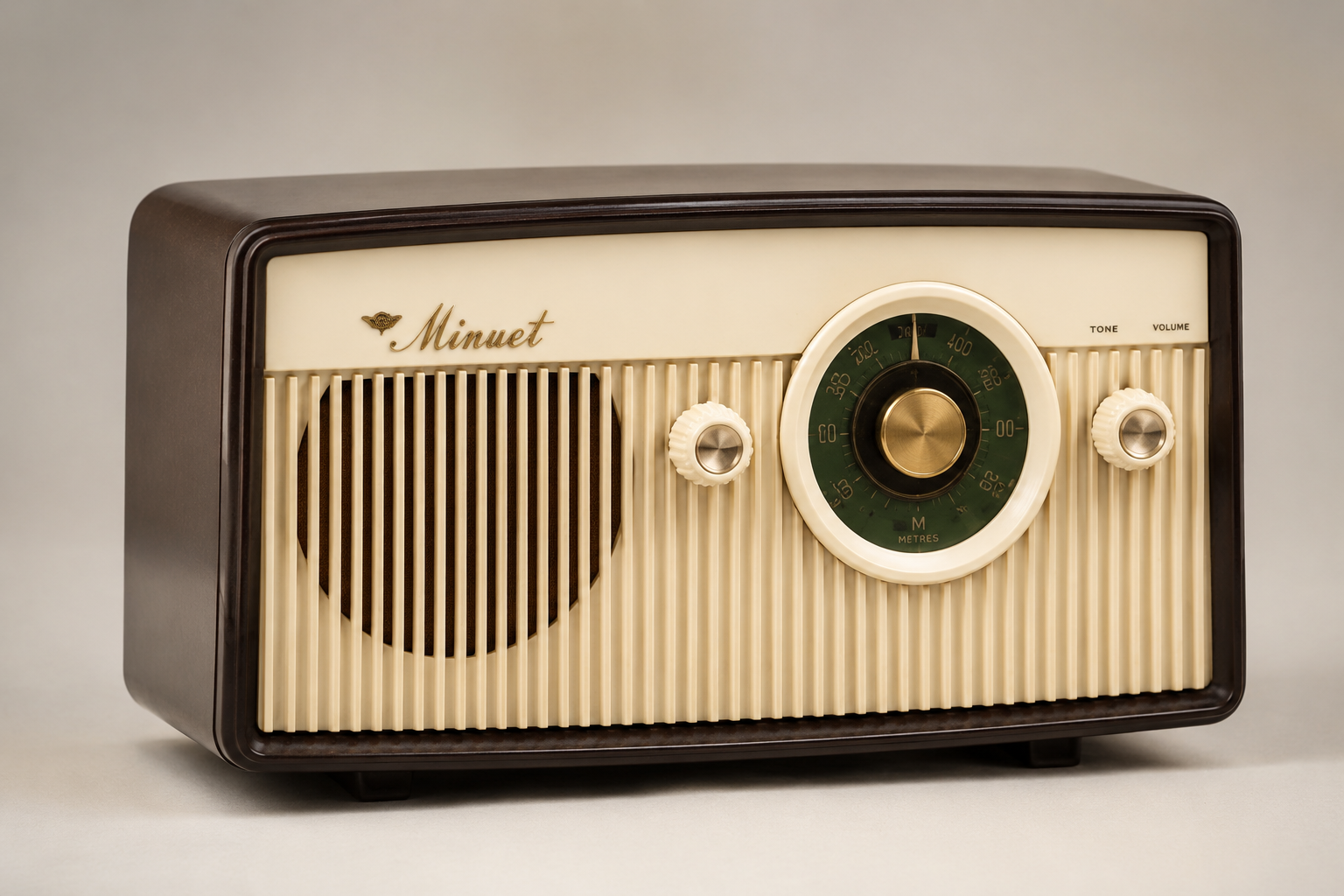
If you have ever spent time browsing old radio sets or flipping through vintage electronics catalogs, chances are you have come across the name Kolster Brandes. For collectors and history enthusiasts, this name carries a certain weight. It represents a company that helped shape the golden age of British home entertainment, from crackling valve radios in the 1930s to some of the earliest television sets sold to ordinary families.
This article looks closely at the history of Kolster Brandes, tracing its roots from a small Canadian headphone manufacturer to a household name in British electronics, and eventually its quiet absorption into a much larger international corporation.
Where the Kolster Brandes Story Begins
The origins of Kolster Brandes actually start outside Britain entirely. The story begins with a company called Brandes, founded in Toronto, Canada, back in 1908. Brandes built a reputation manufacturing headphones, which at the time were essential equipment for anyone experimenting with early radio reception.
As the radio industry grew, so did Brandes. The company caught the attention of American Telephone and Telegraph, better known as AT&T, and became part of that larger organization in 1922. This connection to a major American telecommunications player set the stage for everything that followed, including the eventual creation of Kolster Brandes as a distinct British entity.
The Founding of the British Operation
In 1924, a British subsidiary called Brandes Ltd was established in Slough, England. Its initial purpose was straightforward: manufacture headphones for the growing British radio market. Demand for radio equipment was climbing quickly across the country, and having a dedicated British manufacturing base made commercial sense for the American parent company.
The British branch expanded rapidly. Within just a few years, it had outgrown its original site and needed a larger facility to keep up with production demands. This growth would soon lead the company toward the name most people now recognize: Kolster Brandes.
How the Kolster Brandes Name Came to Be
The name Kolster Brandes did not exist from the very beginning. It emerged out of a corporate merger. The American parent company merged with the Kolster Radio Corporation, an electronics manufacturer based in Newark, New Jersey, whose name came from its chief research engineer, Frederick A. Kolster.
Following this merger, the British operation was renamed Kolster Brandes Ltd, combining the two names into what would become one of the most recognizable brands in British radio history. This renaming happened around 1930, right as the company was preparing to expand well beyond headphones and loudspeakers into full radio receivers.
Interestingly, the American Kolster Radio Corporation itself did not last long. It ran into serious financial trouble and went bankrupt in the early 1930s. But by that point, the Kolster Brandes name had already taken root in Britain, and it would go on to have a much longer and more successful life on that side of the Atlantic than its American namesake ever did.
Moving to Foots Cray
As production needs grew, Kolster Brandes relocated to a former silk mill at Foots Cray, in Sidcup, Kent. This move in 1928 gave the company the space it needed to expand its product range significantly, moving beyond simple audio accessories into a full lineup of consumer radio equipment.
Foots Cray would remain closely associated with the Kolster Brandes name for decades. The site eventually became known not just as a factory but as something of a hub for British radio manufacturing, later shared with Brimar, another company under the same corporate umbrella that produced valves for the British market.
Kolster Brandes and the Golden Age of Radio
The 1930s were a defining decade for Kolster Brandes. This was the golden age of radio, and the company positioned itself well to take advantage of the growing consumer appetite for home entertainment. Kolster Brandes produced a wide range of affordable radios aimed squarely at middle-class households across Britain.
One of the more memorable moments in the company’s early history involved a partnership with a tobacco company. Kolster Brandes supplied around forty thousand of its Masterpiece two-valve, bakelite cabinet radios to Godfrey Phillips, which gave the radios away to customers in exchange for cigarette coupons. This kind of promotional arrangement highlights just how mainstream and commercially significant Kolster Brandes had become in a relatively short period of time.
Beyond promotional deals, Kolster Brandes built a genuine reputation for quality and style. The radios were known for their attractive wooden cabinets, combining solid technical performance with a design sensibility that made them appealing pieces of furniture as much as functional devices.
Becoming Part of a Larger Telecommunications Group
In 1938, Kolster Brandes was reorganized under the ownership of Standard Telephones and Cables, which was itself the British subsidiary of the American conglomerate ITT, or International Telephone and Telegraph. This was a significant shift, moving Kolster Brandes from a relatively independent operation into part of a much larger, internationally connected corporate structure.
This new ownership brought tangible benefits. Because of its link with Standard Telephones and Cables, Kolster Brandes won a notable contract to install television receivers aboard the Queen Mary and later other Cunard ocean liners. This relationship with Cunard became a point of pride for the company, and it helped cement the reputation of Kolster Brandes as a manufacturer capable of serious, high-profile work beyond ordinary domestic radios.
Kolster Brandes Enters the Television Market
As television technology developed, Kolster Brandes moved quickly to establish itself in this emerging space. The company produced some of the earliest consumer television sets available in Britain, at a time when owning a television was still a novelty for most households.
One particularly notable product from this era was the Queen tabletop television set, recognized as one of the first affordable, mass-produced televisions in the country. It used twenty valves and operated at a substantial voltage, reflecting just how much engineering effort went into making television technology accessible to ordinary consumers rather than keeping it as a luxury item.
Kolster Brandes became known for durable, mid-range electronics that appealed particularly to working-class and middle-class families who wanted reliable products without paying premium prices. This positioning helped the brand maintain strong sales even as competition in the British electronics market intensified.
Diversifying Beyond Radios and Televisions
Kolster Brandes did not limit itself to just radios and televisions. Over time, the company diversified into record players, radiograms, tape recorders, and amplifiers, appealing to a growing generation of music enthusiasts in post-war Britain.
Some of the record player models produced under the Kolster Brandes name became genuinely popular, including lines with names like Playtime, Gaytime, Dancetime, Tunetime, and Rhythm. This range demonstrates how Kolster Brandes worked to cover multiple price points and use cases, from simple entry-level players to more advanced valve-operated equipment for serious listeners.
This diversification helped Kolster Brandes remain relevant during a period when consumer electronics were evolving quickly, and companies that failed to expand their product lines often struggled to keep pace with changing tastes and technology.
The Shift Toward ITT Branding
By the 1960s, Kolster Brandes had been acquired more fully by ITT, the international telecommunications giant. For a while, products continued to be sold under the familiar K.B. name, sometimes alongside ITT branding, allowing the company to retain some of its established customer recognition even as ownership consolidated further.
This period brought new resources and international connections that a smaller, independent company simply could not have accessed on its own. However, it also marked the beginning of the end for Kolster Brandes as a distinct identity. Being part of a much larger multinational meant that decisions about branding and product direction were increasingly made with the broader ITT portfolio in mind, rather than preserving Kolster Brandes as a standalone name.
The Decline and Disappearance of the Brand
By the 1970s, the Kolster Brandes name had largely disappeared from the market, replaced first by ITT-KB branding and eventually by ITT alone. The company that had once supplied radios to ocean liners and pioneered affordable television sets gradually faded as its parent company streamlined its branding across international markets.
Officially, Kolster Brandes as a company ceased to exist as an independent entity, with its brand effectively dropped by the parent organization. This wasn’t an unusual fate for mid-century electronics manufacturers. Many similar companies were absorbed into larger conglomerates during this era, as the industry consolidated and smaller, nationally focused brands struggled to compete with bigger international players.
Why Kolster Brandes Still Matters to Collectors
Even though the company itself is long gone, the legacy of Kolster Brandes remains very much alive among collectors of vintage electronics. Hundreds of Kolster Brandes radio models, televisions, and other devices are documented and preserved today, many with detailed schematics, photographs, and historical notes attached.
This continued interest isn’t just nostalgia. Kolster Brandes products represent genuine craftsmanship from an era when radios and televisions were built to last, often housed in beautifully finished wooden cabinets rather than disposable plastic casings. For collectors, tracking down a working Kolster Brandes set connects them directly to a specific and well-documented chapter of British industrial and consumer history.
Final Thoughts
The story of Kolster Brandes is really a story of transformation. It began as a small headphone manufacturer with Canadian roots, grew into a major British radio and television brand through strategic mergers and smart product development, and eventually became one small piece of a much larger international telecommunications empire.
Along the way, Kolster Brandes left behind a legacy of innovation, from affordable radios that reached ordinary households to some of the earliest mass-produced televisions in Britain. Even though the name eventually disappeared from store shelves, the products themselves, and the history behind Kolster Brandes, continue to hold genuine value for anyone interested in how British consumer electronics developed during the twentieth century.
Read more trending Blogs on zio magazine.