
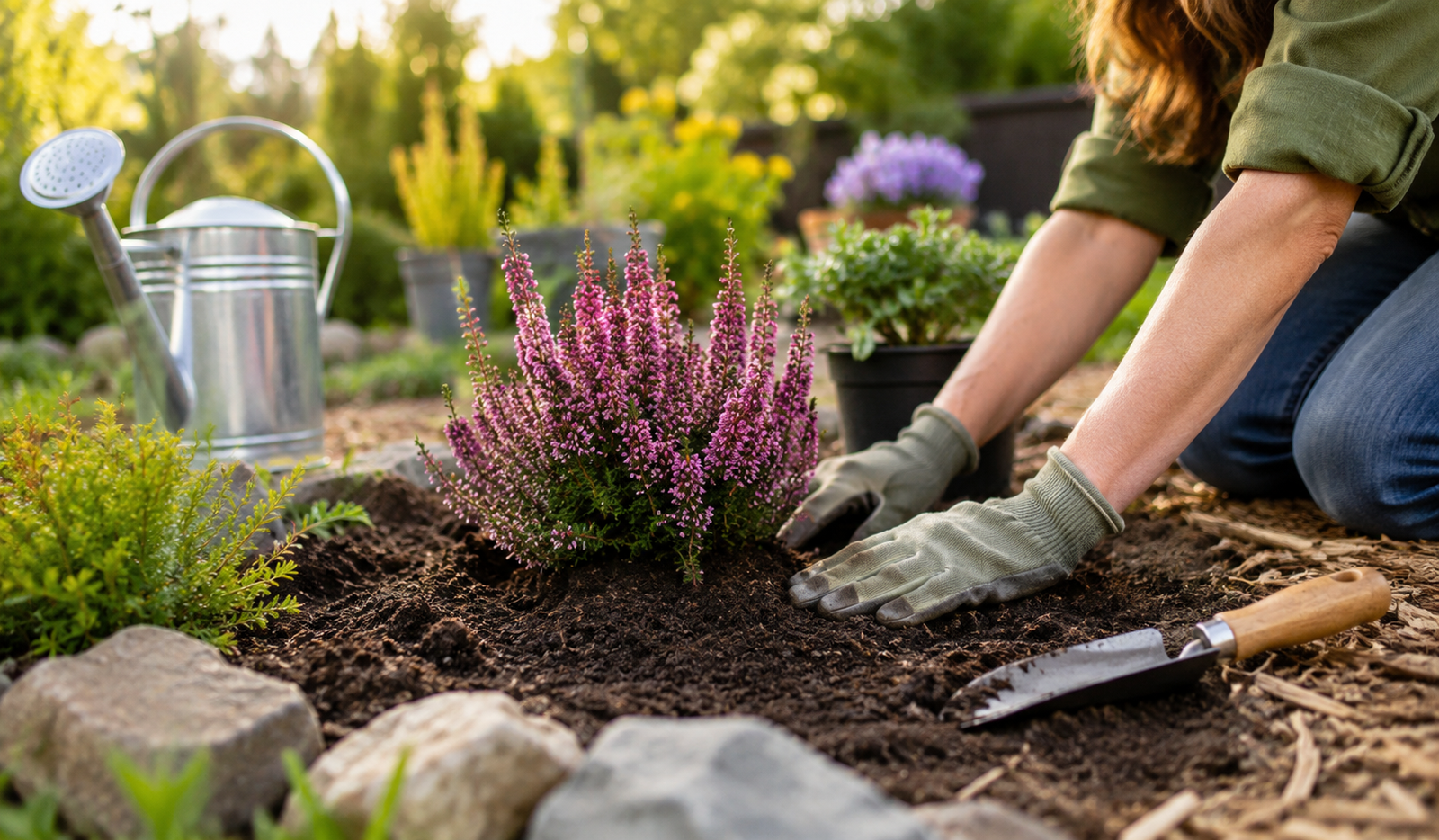
Gardening in Colorado is a unique experience that few other states can match. Between high altitude, dry air, intense sun, and wildly unpredictable weather, Colorado Planting requires a different mindset than gardening in more temperate regions. What works in a coastal state or the Midwest often fails here, and that’s not because Colorado gardeners are doing anything wrong. It’s simply that the state’s climate plays by its own rules.
If you’re new to Colorado Planting or have struggled with past growing seasons, understanding the state’s specific conditions is the first step toward real success. This guide walks through everything from climate zones to soil prep, timing, and plant selection, so you can build a garden that actually thrives here instead of fighting the elements every step of the way.
Why Colorado’s Climate Makes Planting So Different
Colorado sits at a high elevation, and that single factor changes almost everything about how plants grow. The air is thinner, which means more intense UV exposure and faster evaporation of moisture from both soil and leaves. Temperatures can swing dramatically within a single day, sometimes dropping 30 or 40 degrees between afternoon and night.
This variability is one of the biggest reasons Colorado Planting can feel unpredictable. A warm, sunny afternoon in April might be followed by a hard freeze that same night. Many new gardeners lose their early plantings simply because they didn’t account for this kind of sudden temperature drop.
Humidity levels in Colorado are also much lower than in most other states. This means soil dries out faster, plants lose water more quickly through their leaves, and consistent watering becomes far more important than it would be elsewhere. Anyone serious about Colorado Planting needs to treat irrigation as a core part of their strategy, not an afterthought.
Understanding Colorado’s Growing Zones
Colorado spans several USDA hardiness zones, ranging from around zone 3 in the high mountains to zone 6 or slightly warmer in parts of the eastern plains and lower valleys. This range is unusually wide for a single state, and it means there’s no single “Colorado planting calendar” that works everywhere.
Someone gardening in Denver will have a noticeably different growing window than someone in Colorado Springs, Fort Collins, or a mountain town like Leadville. Elevation plays a huge role here. Every thousand feet of elevation gain tends to shorten the growing season and push back the safe planting date.
Because of this variation, successful Colorado Planting starts with knowing your specific zone and average last frost date. Many Front Range communities see their last frost sometime in mid-to-late May, while higher mountain areas might not be frost-free until June. Planting too early, even by a couple of weeks, is one of the most common mistakes gardeners make in this state.
The Importance of Timing in Colorado Planting
Timing is arguably the single most important factor for gardening success in Colorado. Because the frost-free window can be short, especially at higher elevations, gardeners often need to be strategic about when they start seeds indoors versus when they transplant outside.
Cool-season crops like lettuce, spinach, peas, and radishes can typically go into the ground a few weeks before the last frost date, since they tolerate cooler soil and occasional light frost. Warm-season crops like tomatoes, peppers, and squash need much warmer soil and should wait until all frost danger has passed.
Late spring snowstorms are common across much of Colorado, even into May. This is one of the trickiest aspects of Colorado Planting, because a beautiful 70-degree day can be followed within 48 hours by snow. Experienced gardeners often keep frost cloths or row covers on hand well into late spring, just in case.
Fall planting deserves attention too. Many gardeners overlook the fact that Colorado’s dry, sunny autumns are actually excellent for cool-season crops. A second planting of greens, carrots, or beets in late summer can extend the harvest well into October in many parts of the state.
Soil Conditions Across Colorado
Colorado soil varies significantly depending on location, but a few patterns show up again and again. Much of the soil along the Front Range and eastern plains tends to be clay-heavy, alkaline, and low in organic matter. This kind of soil can hold water in ways that seem helpful at first but often leads to poor drainage and compaction over time.
Mountain and foothill soils tend to be rockier and thinner, with less organic material and a tendency to dry out quickly once exposed to sun and wind. Because of these differences, soil testing is one of the smartest first steps anyone can take before starting a new garden bed.
Amending soil with compost is almost universally beneficial for Colorado Planting, regardless of which region you’re in. Compost improves drainage in clay soils, helps sandy or rocky soils retain moisture, and adds organic matter that most native Colorado soils lack. Many local garden centers and extension offices offer soil testing services that can pinpoint exactly what a particular plot needs.
pH is another consideration. Colorado soils frequently run alkaline, which can limit the availability of certain nutrients even when those nutrients are technically present in the soil. Choosing plants that tolerate alkaline conditions, or gradually adjusting pH with organic amendments, can make a noticeable difference in plant health over a few growing seasons.
Water and Irrigation Strategy
Given how dry and sunny Colorado tends to be, water management deserves its own serious conversation. Many parts of the state receive under 20 inches of precipitation annually, and some regions get significantly less than that. This makes consistent, thoughtful irrigation essential to any successful Colorado Planting effort.
Drip irrigation is widely considered one of the most efficient methods for Colorado gardens. It delivers water directly to the root zone, reduces evaporation loss, and helps prevent the fungal issues that can arise from overhead watering in a dry climate. Soaker hoses offer a similar benefit at a lower upfront cost.
Mulching is another simple but powerful tool. A two-to-three-inch layer of mulch around plants helps retain soil moisture, moderates soil temperature swings, and reduces weed competition. In a state where every drop of water counts, mulch can make the difference between a struggling garden and a thriving one.
It’s also worth noting that many Colorado municipalities have specific water restrictions, especially during summer months. Understanding local watering schedules and regulations is a practical part of planning any Colorado Planting project, particularly for larger vegetable gardens or landscaping efforts.
Choosing the Right Plants for Colorado
Not every plant that thrives in a garden magazine photo will do well in Colorado’s climate. Native and drought-tolerant plants tend to perform best here, since they’re naturally adapted to low humidity, intense sun, and unpredictable moisture.
For vegetable gardens, root crops like carrots, beets, and potatoes generally do well, as do leafy greens, peas, and many herbs. Tomatoes and peppers can absolutely succeed with the right care, though they benefit from starting indoors and being protected from late frosts.
For flower beds and landscaping, native wildflowers, ornamental grasses, and xeric plants are increasingly popular choices. These plants require far less supplemental water once established, which aligns well with the realities of Colorado’s dry climate. Many local nurseries now specialize in plants suited specifically for Colorado Planting, making it easier than ever to find varieties bred for these conditions.
Fruit trees can also thrive in parts of Colorado, particularly in areas with a longer growing season and some protection from harsh wind. Apple, pear, and certain plum varieties tend to do reasonably well, though late frosts can sometimes damage early blossoms.
Protecting Plants from Colorado’s Weather Extremes
Wind is an often-underestimated challenge in Colorado gardening. Strong gusts, especially along the Front Range, can dry out soil quickly, damage tender seedlings, and even topple taller plants. Windbreaks made from fencing, shrubs, or strategically placed structures can significantly reduce this stress.
Hail is another factor unique to the region. Colorado experiences more hailstorms than most other states, and a single storm can devastate a garden in minutes. Row covers, cold frames, or portable shade structures can offer some protection during peak storm season, which typically runs from late spring through summer.
Sun intensity itself is worth mentioning again here. Because of the elevation, UV exposure is stronger than in lower-altitude states. Some plants that would normally tolerate full sun elsewhere may actually benefit from partial afternoon shade in parts of Colorado, particularly at higher elevations.
Seasonal Planning for Long-Term Success
Successful Colorado Planting isn’t a one-time event; it’s an ongoing process that adjusts with the seasons. Spring focuses on cool-season crops and careful frost monitoring. Early summer shifts toward warm-season vegetables and flowers once the soil has fully warmed.
Late summer and early fall present a valuable second opportunity many gardeners miss. Cool nights return, pest pressure often decreases, and a fresh round of greens, root vegetables, or cover crops can extend productivity well past the traditional end of the growing season.
Winter, while dormant for most plants, is still an important planning period. Reviewing what worked and what didn’t, testing soil, planning crop rotations, and researching new varieties suited to your specific microclimate all set the stage for a stronger season ahead.
Final Thoughts on Growing in Colorado
Colorado Planting comes with real challenges, but those challenges are well understood and very manageable with the right knowledge. Elevation, dry air, temperature swings, and intense sun all shape how and when things grow, but none of these factors have to stand in the way of a productive, beautiful garden.
By paying attention to your specific zone, preparing soil thoughtfully, timing plantings around frost dates, and choosing varieties suited to the region, you can build a garden that not only survives Colorado’s climate but genuinely thrives in it. With a bit of patience and the right approach, Colorado Planting can become one of the most rewarding parts of living in this beautiful, high-altitude state.
Read more trending Blogs on zio magazine.