

Here’s how to lose belly fat in a way that actually lasts: eat a little less than you burn, get plenty of protein, lift weights two or three times a week, move every day, and sleep seven to nine hours. You can’t target belly fat directly — spot reduction is a myth — but when your overall body fat drops, your waistline comes down with it. Think in months, not days.
A quick note: This article is for general information only and is not medical advice. If you have a health condition, talk to a qualified healthcare professional before starting a new diet or exercise plan.
What’s Really Going On With Belly Fat
If you’ve ever wondered why the midsection is always the last place to slim down, here’s the short version: not all belly fat is the same. The soft layer you can pinch just under your skin is called subcutaneous fat, and in normal amounts it’s relatively harmless. The one worth paying attention to is visceral fat — the deeper fat that wraps around your internal organs and is more strongly tied to health risks.
What feeds it is usually a familiar mix: eating more calories than you burn, added sugars and sugary drinks, alcohol, too little movement, chronic stress, and short sleep. Genetics and age get a say, sure — but they don’t write the whole story.
Related reading: visceral vs subcutaneous fat explained
How to Lose Belly Fat: 11 Evidence-Based Strategies
I’ll be straight with you: nothing melts belly fat while everything else stays the same. What works is far less exciting — a set of proven habits, repeated patiently for months. Here’s what the evidence actually supports.
1. Eat a Little Less Than You Burn
Fat loss comes down to energy balance: taking in slightly less than you use, day after day. You don’t need a spreadsheet or a food scale to begin — slightly smaller portions, fewer liquid calories, and more whole foods will carry you most of the way there.
One move that opens a lot of eyes: write down everything you eat and drink for a week. Nearly everyone is surprised by the small extras — the handful of nuts here, the second glass of juice there — and those extras are exactly where your calorie deficit is hiding.
2. Build Every Meal Around Protein
If one nutrient does the heavy lifting during fat loss, it’s protein. It helps you hang on to muscle while the scale drops, keeps you full longer than carbs or fat do, and even costs your body more energy to digest.
Don’t overthink it. Just anchor each meal with a solid source — eggs, Greek yogurt, chicken, fish, beans, lentils, tofu — and let the rest of the plate fall into place around it.
3. Lift Weights 2–3 Times a Week
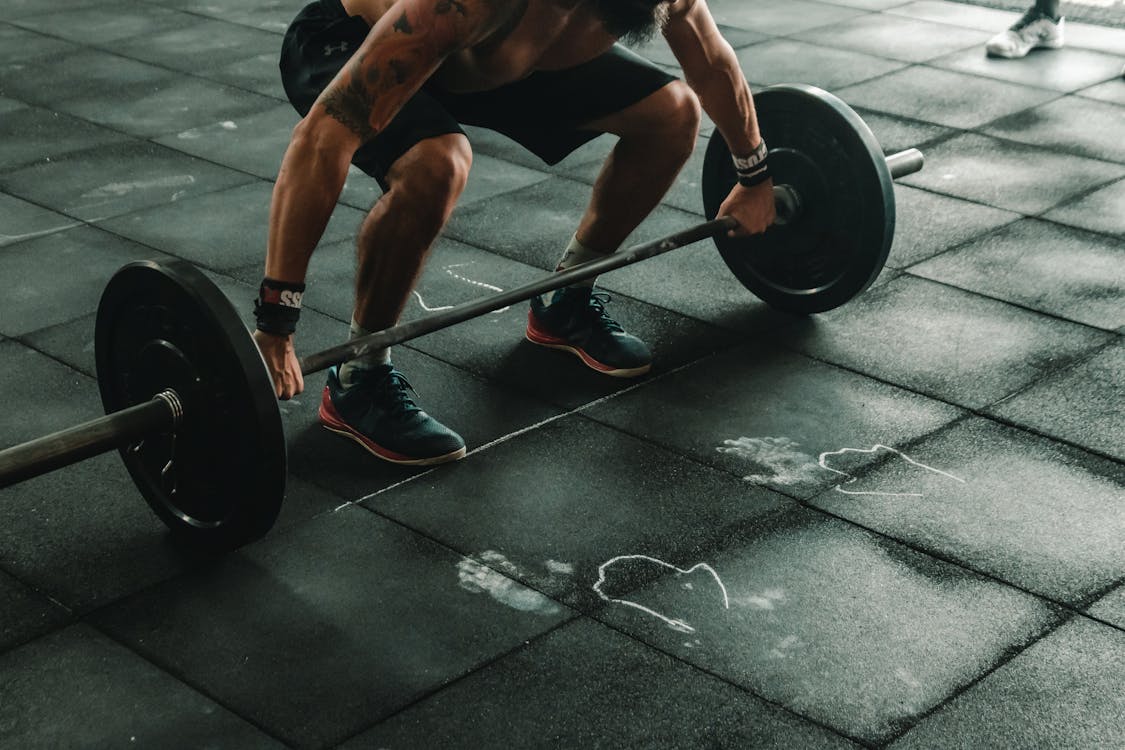
When you’re eating fewer calories, your body would happily burn muscle alongside fat. Strength training is how you tell it not to. Full-body sessions built on compound movements — squats, push-ups, rows, deadlifts, overhead presses — give you the most return for the time you put in.
4. Get Regular Cardio
Brisk walking counts — genuinely. So do jogging, cycling, and swimming. Pick the one you’ll actually keep doing, because the best cardio is the kind that happens. Around 150 minutes of moderate-intensity activity per week is the widely cited guideline for general health, according to the CDC.
Starting from zero? Three 10-minute walks a day still add up. While you’re building the habit, consistency beats intensity every time.
Related reading: best cardio workouts for beginners
5. Cut Back on Sugary Drinks and Refined Carbs
Sugary drinks deserve first place on the cut list. Liquid calories barely register as food — they don’t satisfy hunger — so it’s easy to drink a few hundred calories without noticing.
You don’t have to swear off sweetness forever. Start with the drinks, then look at the obvious sources: pastries, candy, heavily sweetened cereals. Small cuts here tend to pay off fast.
6. Eat More Fiber
Fiber is the quiet workhorse of fat loss. Oats, beans, lentils, apples, flaxseeds, and vegetables fill you up on surprisingly few calories — and soluble fiber in particular is linked to less belly fat in research.
A rule that works in real life: fill half your plate with vegetables. It’s visual, it’s simple, and it automatically crowds out the calorie-dense stuff.

7. Sleep 7–9 Hours
Shortchange your sleep and your hunger hormones turn on you — ghrelin, the “I’m hungry” signal, climbs while leptin, the “I’m full” signal, drops. That late-night snack suddenly feels irresistible, and it isn’t a willpower failure.
The CDC recommends 7 or more hours of sleep per night for adults. Treat your bedtime like an appointment and your waistline will notice.
Related reading: tips for better sleep
8. Keep Stress in Check
Chronic stress keeps cortisol elevated, and sustained high cortisol is linked to fat storage around the abdomen. You can’t delete stress from your life, but you can give your body regular ways to come down from it.
Exercise, enough sleep, time outside, even a few minutes of slow breathing — all of it helps. Pick the one that fits your life and do it daily; the effect compounds.
9. Drink Less Alcohol
Alcohol is sneaky stuff: roughly 7 calories per gram, almost no nutritional value, and it loosens the brakes on your food decisions at the same time. Heavy intake is linked to more fat around the abdomen.
Nobody’s saying never. Just know those evening drinks count — and cutting back is one of the fastest levers you can pull.
10. Drink More Water
Let’s be clear: water doesn’t melt fat. But thirst and hunger feel remarkably similar, and staying hydrated helps you tell them apart. Swapping sugary drinks for water cuts calories without any feeling of deprivation.
Keep a bottle within reach. It’s the easiest habit on this list.
11. Stay Consistent — and Patient
Belly fat took years to accumulate; it won’t disappear in two weeks. The reframe that matters: the plan you can actually stick with will always beat the “perfect” plan you quit after a month.
The people who succeed rarely overhaul everything at once. They pick two or three habits from this list, repeat them daily until they’re automatic, and then add another.
Related reading: how to stay consistent with healthy habits
How Long Does It Take to Lose Belly Fat?
A sustainable rate of fat loss is roughly 0.5–1 kg per week. In practice, many people notice their waistline starting to change within 4–8 weeks, with clearly visible changes after 3–6 months of steady effort.
That might sound slow. It isn’t — it’s the pace that keeps the weight off. Crash approaches tend to take muscle and water along with the fat, and the weight usually comes back with interest.
| Timeframe | What’s typically happening | Your job |
|---|---|---|
| Weeks 1–2 | Habits are new; the scale jumps around | Nail the basics: protein, daily steps, bedtime |
| Weeks 4–8 | Clothes fit a little looser; energy steadier | Keep going — this is where most people quit |
| Months 3–6 | Visible changes in the waistline | Protect muscle with strength training; adjust portions if progress stalls |
Common Mistakes
Most people don’t fail from lack of effort — they fail on strategy. Endless ab workouts done in the hope of spot reduction is the classic one: crunches build the muscle underneath but can’t selectively burn the fat on top. Crash diets are another trap — miserable to sustain, and they often cost you hard-earned muscle. Then there’s the “fat-burning” supplement shelf with little evidence behind it, the short sleep and unmanaged stress quietly driving hunger, and the biggest mistake of all: quitting a few weeks in, right before consistency would have started paying off.
Key Takeaways
Belly fat comes off through overall fat loss — spot reduction doesn’t work. The biggest levers are the unglamorous ones: plenty of protein, strength training two to three times a week, regular cardio, seven to nine hours of sleep, and cutting back on added sugars and alcohol. Stress and sleep pull strings behind the scenes too, through cortisol and hunger hormones. Expect real change over weeks and months, not days — and talk to a healthcare professional if you have a health condition.
Frequently Asked Questions
Can you lose belly fat without exercise?
Yes — diet alone can create the calorie deficit fat loss needs. But you’d be leaving results on the table: strength training preserves muscle and is linked to greater visceral fat reduction, so the combination gets you further.
Do ab workouts burn belly fat?
No. Ab work strengthens your core muscles, but it can’t burn the layer of fat sitting over them. If you enjoy core training, keep it — just pair it with the nutrition and full-body training that actually drive fat loss.
What foods help lose belly fat?
No single food melts belly fat, whatever the headlines promise. What works is the overall pattern: high in protein and fiber, built on whole foods, low in added sugars and alcohol.
Does drinking water reduce belly fat?
Not directly — water doesn’t burn fat. But staying hydrated supports weight loss in quiet ways, especially when water replaces caloric drinks. Small swap, outsized payoff.
Is belly fat harder to lose after 40?
Hormonal shifts with age can make abdominal fat storage more likely, which is frustrating but not a dead end. The fundamentals — diet, exercise, sleep, stress management — still work; you may just need a bit more patience.
Sources
- Harvard Health Publishing — Taking aim at belly fat
- CDC — Physical Activity Guidelines for Adults
- CDC — About Sleep: How Much Sleep Do I Need?
