
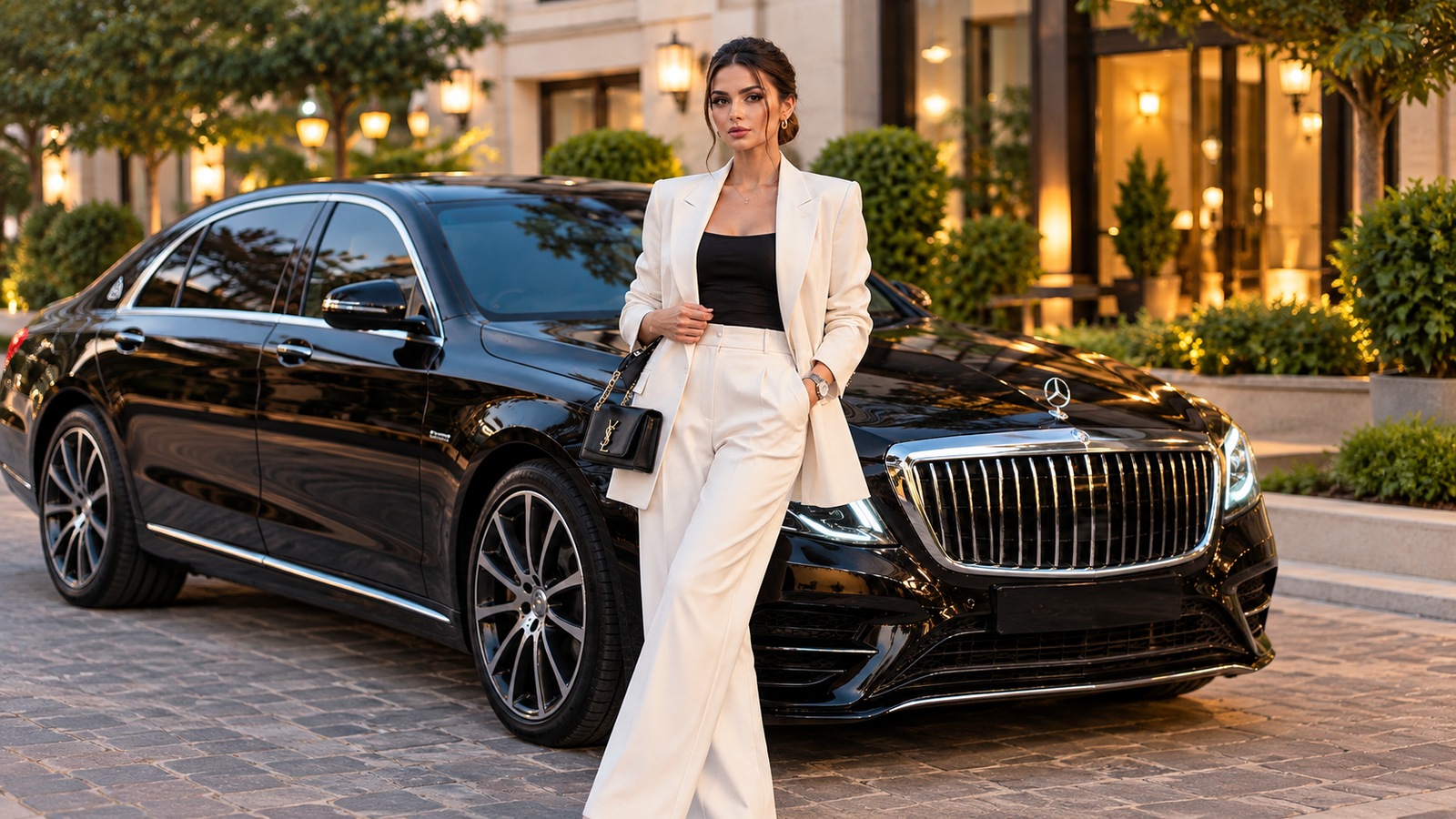
Fashion has always mirrored the times we live in, but few eras have captured this truth as clearly as the present. Contemporary fashion style is not a single trend or a fixed set of rules. It is an evolving language shaped by culture, technology, individuality, and the way people want to express themselves in everyday life. Unlike fashion movements from previous decades that were often defined by one dominant silhouette or aesthetic, today’s approach to dressing is far more layered and personal.
This article explores what contemporary fashion style really means, how it developed, what shapes it today, and why it continues to hold such a strong influence over how people present themselves to the world.
What Contemporary Fashion Style Actually Means
At its core, contemporary fashion style refers to clothing trends and design philosophies that reflect the present moment rather than a specific historical period. It borrows freely from the past while staying rooted in current values, lifestyles, and technology. Instead of following one strict aesthetic, this style embraces variety, allowing people to mix minimalism with boldness, comfort with elegance, and tradition with innovation.
What makes this approach different from earlier fashion eras is its flexibility. There is no single “look” that defines it. Instead, it is shaped by the individual wearing it, their environment, and the cultural conversations happening around them at any given time.
The Evolution Behind Modern Dressing Habits
To understand why contemporary fashion style looks the way it does today, it helps to look at how fashion evolved over the last few decades. Earlier fashion movements were often tied to specific decades, such as the structured silhouettes of the 1980s or the minimalism of the 1990s. These styles were largely dictated by designers and slowly trickled down to everyday wardrobes.
Today, that top-down model has changed significantly. Social media, global connectivity, and instant access to information have transformed how trends spread. A style choice can now emerge from a small local community and become widely recognized within weeks. This shift has made contemporary fashion much more democratic, with everyday individuals playing as much of a role in shaping trends as designers themselves.
Key Characteristics That Define This Style
While it resists rigid categorization, there are recognizable traits that most people associate with contemporary fashion style. One of the strongest characteristics is versatility. Clothing today is expected to transition easily from one setting to another, whether that means moving from a workday to a casual evening out or blending professional wear with relaxed streetwear elements.
Another defining feature is the emphasis on personal expression over strict conformity. People are encouraged to interpret trends in their own way rather than replicate them exactly. This has led to a rise in eclectic combinations, where vintage pieces sit comfortably alongside modern basics, and where high fashion elements are paired with everyday essentials.
Comfort also plays a major role. As lifestyles have become busier and more fluid, clothing needs to accommodate movement, practicality, and long hours of wear without sacrificing visual appeal. This balance between comfort and style is one of the clearest markers of how fashion has matured in recent years.
The Role of Sustainability in Shaping Choices
No discussion of contemporary fashion style would be complete without addressing sustainability. Environmental awareness has become a significant force in shaping how people shop and what they choose to wear. Consumers are increasingly conscious of the impact their clothing choices have on the planet, and this awareness has pushed many brands to rethink their production processes.
Slow fashion, secondhand shopping, and clothing rental services have all gained traction as alternatives to constant new purchases. This shift reflects a broader cultural change where quality and longevity are valued more than owning large quantities of quickly discarded items. As a result, contemporary fashion style today often includes a mix of timeless pieces that are built to last alongside a few trend-driven items that can be swapped out more easily.
Influence of Technology and Digital Culture
Technology has reshaped nearly every aspect of how people engage with clothing. Online shopping, virtual try-ons, and AI-driven style recommendations have changed the way people discover and choose what to wear. Social platforms act as constant sources of inspiration, allowing trends to be shared, remixed, and reinterpreted almost instantly.
This digital influence has also blurred geographical boundaries. A trend originating in one part of the world can quickly appear in wardrobes thousands of miles away. Because of this, contemporary fashion style is no longer confined by regional boundaries in the way it once was. Instead, it draws from a global pool of influences, creating a more interconnected and diverse fashion landscape.
How Individuality Shapes Modern Wardrobes
One of the most notable shifts in recent fashion history is the move away from uniformity. In earlier decades, being fashionable often meant following a specific dominant trend closely. Today, personal identity plays a much larger role in how people dress.
This has given rise to what many describe as a more expressive era of dressing, where clothing becomes a form of storytelling. People use their outfits to reflect their values, moods, cultural background, or creative interests. This individuality is one of the reasons contemporary fashion style feels so difficult to pin down with a single definition. It is not one look, but a spectrum of looks shaped by countless personal choices.
The Balance Between Minimalism and Maximalism
Interestingly, two seemingly opposite aesthetics often coexist within this modern approach to dressing. Minimalism, with its clean lines, neutral tones, and simple silhouettes, remains popular among those who prefer understated elegance. At the same time, maximalism, characterized by bold colors, layered textures, and statement pieces, continues to thrive among those who want their clothing to make a strong visual impact.
Rather than competing with each other, these two directions often exist side by side within the same wardrobe. Many people mix minimalist basics with occasional maximalist accents, creating outfits that feel both grounded and expressive. This flexibility is another reason why contemporary fashion style resists being reduced to a single visual formula.
Gender Fluidity and Inclusive Design
Another significant shift shaping modern fashion is the move toward more inclusive and fluid approaches to design. Traditional boundaries between menswear and womenswear have become increasingly blurred, with many brands now offering unisex collections or designing pieces meant to be worn by anyone regardless of gender identity.
This shift reflects broader cultural conversations about identity and self-expression. Clothing is increasingly seen as a tool for personal representation rather than a rigid category defined by tradition. As inclusivity becomes more central to design philosophy, contemporary fashion style continues to expand its definition of what is considered stylish or appropriate for different individuals.
Streetwear’s Lasting Impact
Streetwear has played an undeniable role in shaping how people dress today. What began as a subculture rooted in skate, music, and urban communities has grown into a mainstream force influencing luxury fashion houses and everyday wardrobes alike. Elements such as oversized fits, graphic prints, and casual layering have become staples in many people’s closets.
This crossover between street culture and high fashion demonstrates how contemporary fashion style often thrives on unexpected combinations. Formal tailoring paired with sneakers, or luxury fabrics styled with casual streetwear pieces, has become a common visual language. This blending of formal and informal elements captures the spirit of how modern dressing continues to evolve.
Why This Style Continues to Resonate
Part of what makes contemporary fashion style so enduring is its ability to adapt. It is not bound by strict seasonal cycles or singular trend dictates. Instead, it evolves alongside cultural shifts, technological advances, and changing consumer values. This adaptability ensures that it remains relevant even as individual trends within it rise and fade.
People are drawn to this style because it allows room for personal interpretation. Rather than being told exactly what to wear, individuals can pick and choose elements that resonate with their own identity, creating outfits that feel authentic rather than forced. This sense of authenticity is a major reason why modern fashion continues to hold such strong cultural relevance.
Practical Ways to Embrace This Style Today
For those looking to incorporate contemporary fashion style into their own wardrobe, the process does not need to be complicated. Start by identifying pieces that feel both comfortable and reflective of personal taste. Building a foundation of versatile basics, such as well-fitted trousers, simple tops, and adaptable outerwear, creates a base that can be styled in multiple ways.
From there, incorporating a few statement pieces or accessories can help express individuality without overwhelming the overall look. Paying attention to fit, fabric quality, and how pieces work together often matters more than chasing every passing trend. This balanced approach captures the essence of dressing in a way that feels current without losing personal authenticity.
Final Thoughts
Contemporary fashion style represents more than just clothing trends; it reflects how people navigate identity, culture, and self-expression in an increasingly connected world. Its strength lies in its flexibility, allowing for endless combinations shaped by individual taste rather than rigid rules. As technology, sustainability concerns, and cultural conversations continue to evolve, this style will likely keep transforming alongside them.
Understanding its roots and defining characteristics offers valuable insight into why fashion today feels so personal, diverse, and constantly evolving. Whether through minimalism, streetwear influence, sustainable choices, or inclusive design, contemporary fashion style continues to shape how people express who they are through what they wear.
Read more trending Blogs on Zio Magazine.
