
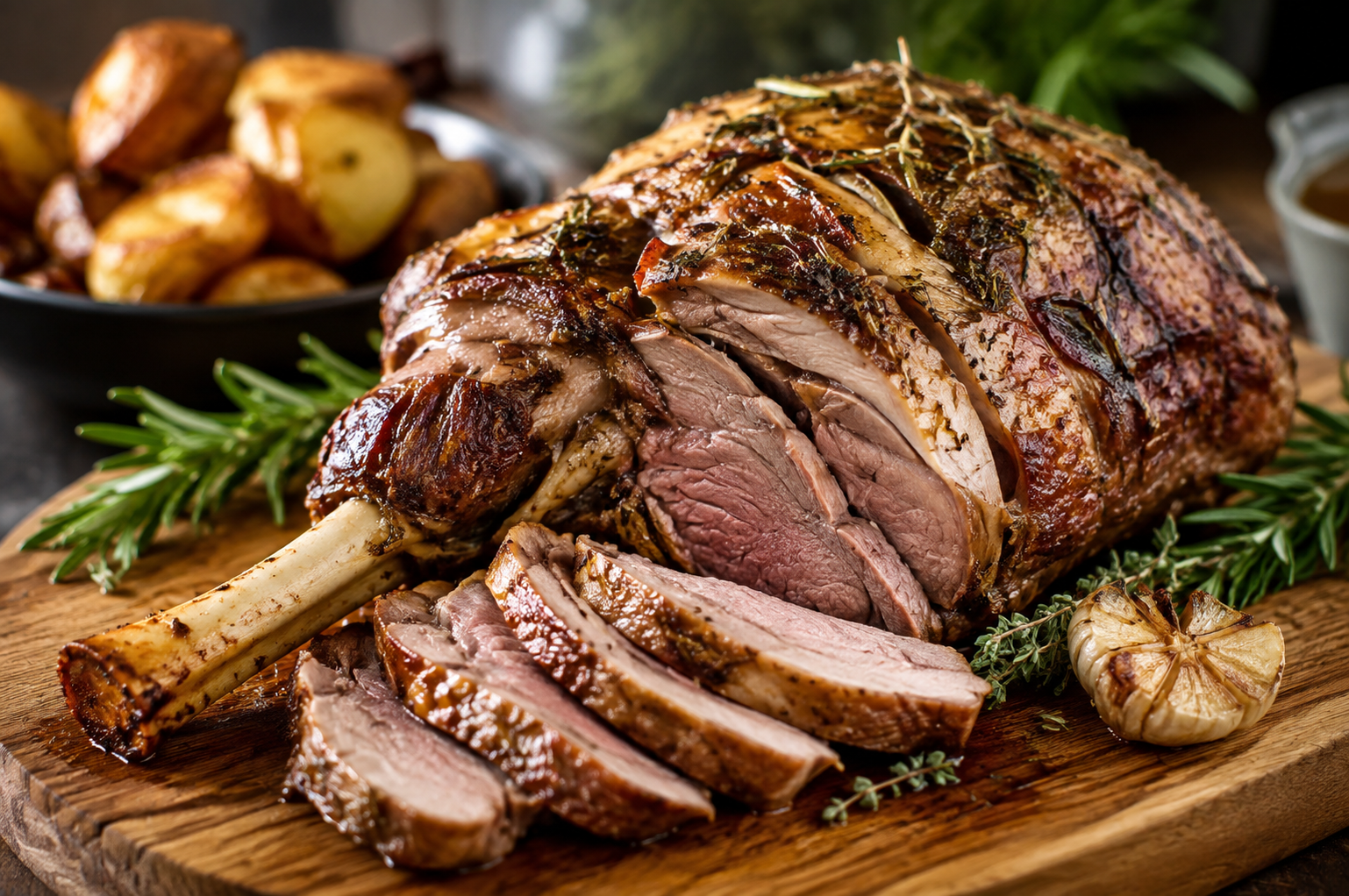
Most people who cook with sheep meat know only two categories: lamb and mutton. Yet there is a third, less familiar term that sits quietly between the two, offering a flavor and texture that many chefs and home cooks consider superior to both. That term is hogget mutton, and once you understand what it actually means, you start noticing how often it gets confused, mislabeled, or simply ignored in everyday conversations about meat.
This article takes a close look at hogget mutton — what it is, where it comes from, how it differs from lamb and older mutton, and why it deserves more attention than it typically receives.
What Exactly Is Hogget Mutton
The term hogget mutton refers to meat from a sheep that is older than a lamb but younger than a fully mature sheep used for traditional mutton. In most sheep-farming traditions, especially in the United Kingdom, Ireland, Australia, and New Zealand, sheep meat is classified by the animal’s age at slaughter. Lamb comes from animals under twelve months old. Mutton comes from sheep that are typically two years or older. Hogget falls in between, usually covering sheep between one and two years of age.
So when someone uses the phrase hogget mutton, they are describing meat from an animal in that middle stage of life — old enough to have developed richer flavor than lamb, but young enough to avoid the toughness and strong gaminess associated with true mutton.
Why the Age of the Sheep Matters So Much
Age affects meat in ways that go far beyond simple texture. As a sheep grows, its muscle fibers thicken, its fat develops more complex compounds, and its connective tissue becomes denser. This is why very young lamb tastes mild and tender, while old mutton can taste intensely earthy and requires long, slow cooking to soften.
Hogget mutton sits at a point where these changes have started but haven’t gone too far. The meat has more depth than lamb, yet it hasn’t reached the chewy density that puts many people off older mutton. This is part of the reason experienced cooks often prefer hogget mutton over both younger and older options — it offers balance rather than extremes.
A Brief Look at the History Behind the Term
The classification system separating lamb, hogget, and mutton isn’t a modern marketing invention. It dates back centuries, particularly in British and Irish farming communities where sheep were raised primarily for wool, and meat was almost a secondary product. Farmers needed clear terms to describe animals at different life stages, both for trade purposes and for cooking guidance passed down through generations.
Hogget mutton was historically valued in many rural households precisely because it represented good use of a sheep that had already given a year or two of wool but was no longer needed for breeding. Instead of wasting the animal, families and farmers turned to hogget mutton as a practical, flavorful source of protein.
Interestingly, in many parts of the world today, the term has faded from everyday use, replaced by the broader and less precise category of “mutton.” This has caused confusion, with many consumers unknowingly eating hogget mutton while believing they are eating either lamb or old mutton.
How Hogget Mutton Differs From Lamb
Lamb is prized for its tenderness and mild taste, which makes it approachable for a wide range of dishes. However, that mildness can also mean a lack of depth, especially in dishes meant to showcase rich, savory flavor.
Hogget mutton offers a noticeable step up in flavor intensity without losing tenderness entirely. The fat content is usually higher than in lamb, which contributes to a fuller mouthfeel and more pronounced taste, particularly when roasted or slow-cooked. Many people who try hogget mutton for the first time describe it as “what lamb tastes like when it grows up a little” — not overpowering, but noticeably more complex.
How Hogget Mutton Differs From Traditional Mutton
True mutton, coming from sheep aged two years or more, has a much stronger flavor profile. It often carries a distinct, slightly gamey taste that some diners love and others find too intense. The texture is also firmer, requiring longer cooking times, marination, or braising to become properly tender.
Hogget mutton avoids the toughest aspects of old mutton while still retaining a similar savory richness. It cooks in less time, remains more forgiving for home cooks, and delivers a flavor that feels mature without being overwhelming. This middle position is exactly why hogget mutton has quietly built a loyal following among people who find lamb too plain and mutton too heavy.
The Flavor Profile of Hogget Mutton in Detail
Describing flavor in words is always tricky, but hogget mutton tends to be characterized by a deep, slightly nutty undertone combined with a richer version of the classic lamb taste people already recognize. The fat, when rendered properly during cooking, adds a silky texture that coats the palate without feeling greasy.
Because the muscle fibers have had more time to develop, hogget mutton also tends to hold seasoning and marinades exceptionally well. Herbs like rosemary, thyme, and garlic — commonly used with lamb — work beautifully with hogget mutton too, but so do bolder spices typically reserved for mutton dishes, such as cumin, coriander, and warming spice blends used in stews and curries.
Best Cooking Methods for Hogget Mutton
One of the most appealing things about hogget mutton is its versatility in the kitchen. Unlike old mutton, which almost always demands slow, moist cooking to break down tough fibers, hogget mutton can handle a wider range of techniques.
Roasting works particularly well, especially for larger cuts like the leg or shoulder, where the fat can render slowly and baste the meat from within. Slow braising is also excellent, transforming hogget mutton into a deeply flavorful stew or curry base that holds its shape without becoming mushy.
Grilling and pan-searing are better suited to smaller, more tender cuts, such as chops, where quick cooking preserves juiciness while still delivering that characteristic richer taste. Because hogget mutton has more fat and connective tissue than lamb, resting the meat after cooking is important, allowing juices to redistribute evenly throughout the cut.
Nutritional Considerations of Hogget Mutton
From a nutritional standpoint, hogget mutton generally falls between lamb and mutton, offering a solid source of protein, iron, zinc, and vitamin B12. The slightly higher fat content compared to lamb means it also delivers more calories per serving, which can be a benefit for those seeking a heartier, more satiating meal.
The fat in hogget mutton, much like in other sheep meat, contains a mix of saturated and unsaturated fats. Trimming visible fat before cooking can reduce overall fat content for those watching their intake, though many cooks argue that leaving some fat intact is essential to achieving the full flavor that makes hogget mutton stand out in the first place.
Where Hogget Mutton Is Most Commonly Found
Hogget mutton remains most prominent in countries with strong sheep-farming traditions. New Zealand and parts of the United Kingdom, particularly Scotland and Wales, continue to use the term regularly, both in butcher shops and in restaurant menus that celebrate traditional, farm-to-table cooking.
In many other regions, including much of North America, hogget mutton is far less commonly labeled as such. Sheep meat sold commercially is often simplified into just “lamb” or “mutton,” even when the animal’s actual age would technically classify it as hogget. This labeling gap means that many consumers have likely eaten hogget mutton without realizing it, simply because the term isn’t widely used at the retail level.
Why Chefs Are Rediscovering Hogget Mutton
In recent years, a growing number of chefs focused on nose-to-tail cooking and sustainable farming practices have started highlighting hogget mutton specifically, rather than lumping it into generic lamb or mutton categories. Part of this shift comes from a broader movement toward using sheep meat more responsibly across all life stages, rather than focusing almost exclusively on young lamb.
By embracing hogget mutton, chefs can offer diners something distinct — a flavor experience that feels familiar yet elevated. It also supports farmers by creating demand for animals that might otherwise be undervalued simply because they don’t fit neatly into the lamb category.
Buying Tips for Hogget Mutton
If you want to try cooking with hogget mutton, the best approach is to seek out a specialty butcher rather than a standard supermarket. Farmers’ markets and butchers who work closely with local sheep farms are far more likely to correctly identify and label hogget mutton, since they typically know the exact age of the animals they sell.
When examining the meat itself, hogget mutton tends to have a deeper red color than pale, pinkish lamb, along with slightly more visible marbling. The bones, if present, may also appear slightly larger and less delicate than those found in young lamb cuts, another subtle indicator of the animal’s more mature age.
Bringing It All Together
Hogget mutton occupies a fascinating and often overlooked space in the world of sheep meat. It isn’t as mild as lamb, nor as intense as fully aged mutton, but instead offers a balanced, richly flavored alternative that rewards those willing to seek it out. Its history reflects practical farming traditions, its flavor profile suits both simple and adventurous cooking styles, and its nutritional makeup offers a satisfying middle ground for those who want more depth than lamb without the heaviness of old mutton.
As interest in traditional, sustainable, and full-life-cycle sheep farming continues to grow, hogget mutton is likely to gain more recognition, both among chefs and everyday home cooks. For anyone curious about expanding their understanding of sheep meat beyond the usual lamb and mutton labels, hogget mutton offers a genuinely rewarding place to start.
Read more trending Blogs on ZioZio Magazine magazine.